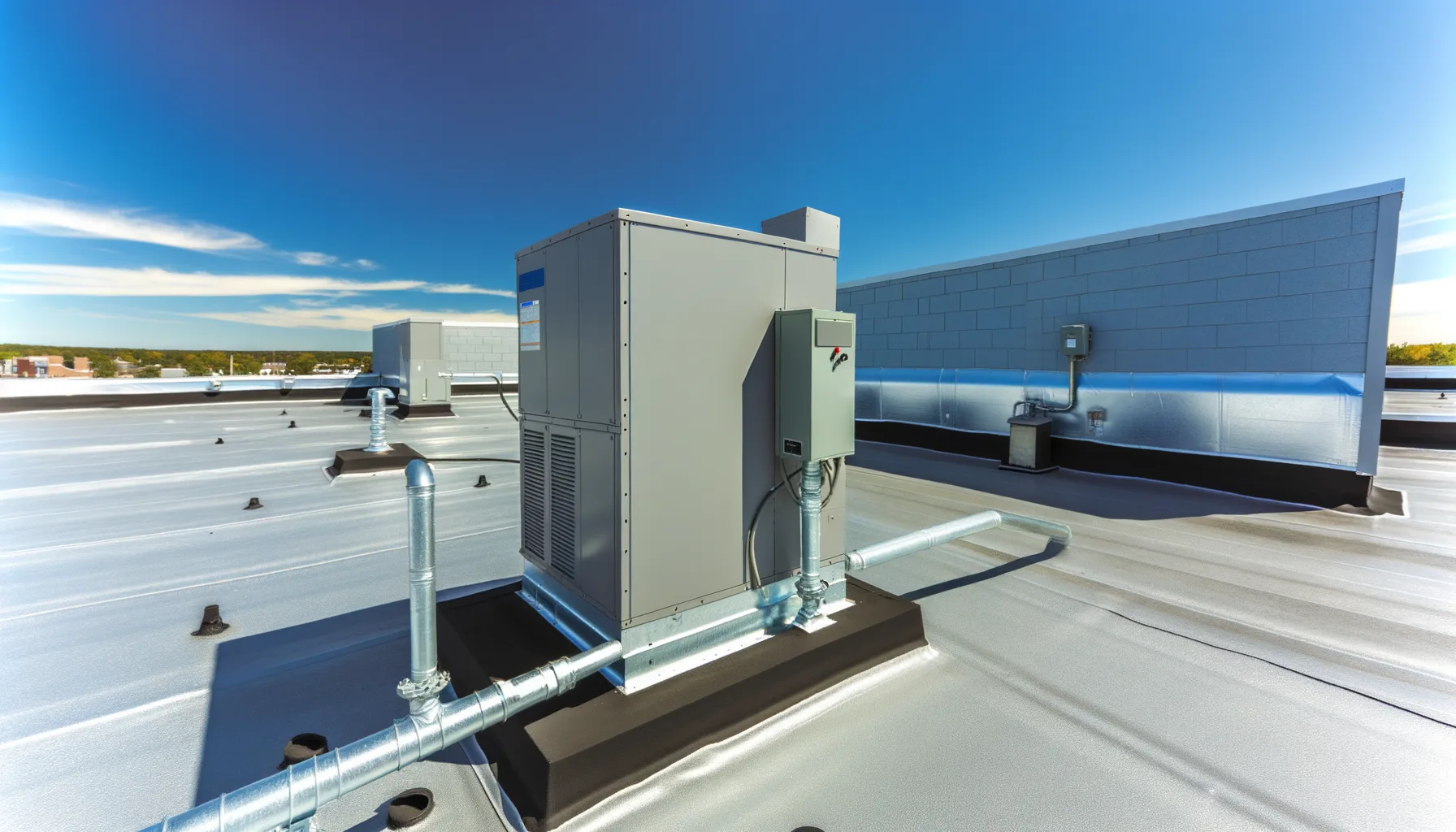
Top 7 Questions to Ask an Air Conditioning Repair Technician in Miami
Published: 2026-04-25 · By Coolgen AC Repairs
Imagine it's a scorching afternoon in Miami, and your air conditioning system suddenly gives out. The humidity levels are on the rise, and with the salt air from the coast, the discomfort multiplies quickly. Knowing the right questions to ask an air conditioning repair technician can make all the difference in ensuring your home remains a cool oasis amid the steamy chaos outside.
Why This Matters for Miami Homeowners
For Miami homeowners, the battle against high humidity is unrelenting. This extreme moisture can lead to corrosion, mold growth, and ineffectiveness in air conditioning systems. Tropical storms and hurricane season also add pressure to your AC unit, which is often exacerbated by the salt air that surrounds coastal properties.
When you need repairs, it's essential to choose a technician who understands these unique challenges. The right knowledge can help you avoid costly repairs down the road, ensuring that your system operates efficiently. A poorly conducted repair can lead not only to system failure but also to increased energy bills as your unit struggles to keep up in the humid climate.
Tip: Regular maintenance and inspections can prevent major breakdowns, especially given that salt air corrosion is a significant issue along the coast.
Consequently, asking the right questions can not only save you time and money but also equip you with the knowledge to maintain your air conditioning system effectively.
Expert Solutions & Actionable Tips
1. What is your experience with Miami's unique climate?
Experience plays a vital role in effective air conditioning repairs. Ensure the technician understands how Florida's climate affects AC systems. In Miami, where humidity can reach 90% or higher, technicians should be familiar with how moisture impacts refrigerant lines and electrical components. A seasoned expert will know to check these areas more thoroughly.
Costs can vary, but expect to invest in thorough diagnostics, typically from $75 to $150, as technicians pinpoint specific issues related to humidity impacts.
2. Can you provide references or testimonials from local clients?
Always opt for a technician who can provide local client references. This credibility showcases their performance consistency in Miami's environment. Look for technicians who are well-versed in AC repair experiences similar to yours, especially if you've had previous issues with corrosion or system performance.
Client testimonials can be worth their weight in gold, particularly when they speak to your area, potential nuisances like rust from salt air, or other local challenges.
3. What warranties or guarantees do you offer?
Good technicians will offer warranties or guarantees on their repairs to instill confidence in their work. This is crucial in Miami, where the risk of weather-induced failures is higher, and you want assurance that your investment is protected from premature breakdowns. A typical warranty might last from 30 days to a year, depending on parts and labor.
Be clear on what is covered under these warranties, particularly when repairs are performed during storm seasons when environmental factors are at play.
4. How do you determine upfront costs for repairs?
Understanding how technicians calculate repair costs is vital. Will they provide a flat rate based on the problem type, or will they offer a detailed estimate after inspecting your unit? In Miami, accurate pricing can help you budget effectively, especially since repairs can range from $100 to over $2,000 depending on complexity, especially for system failures aggravated by humidity and corrosion.
A clear pricing structure before starting any work is essential to avoid surprises later.
5. What is your approach to preventive maintenance?
In Miami's climate, preventive maintenance can save you from costly repairs and replacements. Your technician should outline a maintenance plan that includes regular inspections, filter changes, and cleaning schedules. Typically, proactive maintenance costs range from $100 to $300 annually, which is a smart investment given the local environmental challenges influencing your AC unit.
Make sure the plan considers the tropical wet season, ensuring your system is prepared for the harshest months.
6. What specific certifications do you hold?
Certifications can speak volumes about a technician's qualifications. Look for contractors certified by NATE or the EPA, which indicates their proficiency in handling diverse air conditioning issues. In a city with a range of older and newly built homes, specialized knowledge helps ensure high-quality service that addresses any code compliance or local regulations.
Certified technicians also tend to be more aware of the latest energy-efficient technologies that can drastically reduce your energy bills.
Miami Climate & Local Context
Miami's tropical climate plays an enormous role in its architectural landscape. Many homes are elevated with moisture barriers to combat the high humidity levels and potential flooding. This style necessitates particular attention to air conditioning installations and repairs, as water damage can complicate repairs and lead to further issues.
Local building codes also dictate how HVAC systems must be installed and maintained. Understanding these regulations is vital as a homeowner, as improper installations can lead to additional costs and potential issues with local authorities.
When working with an air conditioning technician, ensure they are acquainted with these codes to prevent issues that may arise, especially after storms when inspections may be required.
When to Call a Professional
Knowing when to handle an air conditioning issue yourself versus when to bring in a professional can save time and money. Homeowners are often tempted to DIY minor problems, but Miami's unique climate may necessitate special care, especially with the threat of salt air corrosion.
Red flags indicating you should call a pro include:
- Strange noises coming from the unit
- Your home isn't cooling despite temperature adjustments
- Increased humidity levels inside your home
- Unpleasant odors from the vents
- Leakage or pooling water around the AC unit
- Age of the unit nearing or exceeding 10 years
In these situations, a professional's insight not only helps resolve the problem but can also prevent further complications from specific Miami-related issues.
Frequently Asked Questions
What maintenance should I regularly do for my AC unit?
Routine filter changes every 1 to 3 months and annual professional inspections are critical for keeping your AC unit efficient in Miami.
How often should I schedule professional AC inspections?
Aim for at least one professional inspection per year, ideally before the storm season begins, to ensure all components are functioning optimally.
What are common issues for AC units in Miami?
Common issues include salt air corrosion, issues related to humidity, and frequent clogs due to mold growth. Regular checks can mitigate these problems.
How can I improve my AC's efficiency?
Keep vents clear, ensure proper insulation, and consider updating to a more energy-efficient unit if yours is over a decade old.
What are the signs my AC system needs repair?
Signs include unusual noises, inconsistent cooling, increased energy bills, or any water leakage, especially in Miami's humid climate.
Get Expert Air Conditioning Repair Service in Miami
If your air conditioning system is acting up, don’t hesitate to reach out to us at (645) 215-1372. At Coolgen AC Repairs, we understand the unique challenges that Miami homeowners face and are dedicated to restoring comfort in your home.
Contact us today and let our experienced technicians ensure your AC is ready to handle the heat and humidity effectively!